
Who we are
Therapy TrAIner is a clinician-led AI company focused on improving how therapy skills are taught. At the core of our mission is a simple but troubling reality: mental health is the only profession where trainees are expected to practice classroom concepts on real people with real problems.
Most clinicians complete their training without ever being directly observed while providing treatment. Even when students record their sessions, supervisors typically have time to review only a tiny fraction. In medicine, that level of oversight would be unthinkable, so why is it still the norm in our field? And yet the first session is where trust is built, hope is established, and the tone for treatment is set. Clients deserve clinicians who are fully prepared for that moment
Generative AI changes what is possible. Therapy TrAIner gives every trainee access to realistic, supportive, and safe practice sessions before they ever sit down with a client. Faculty and supervisors stay in the loop through clear dashboards that track progress and make it easy to provide targeted feedback. Our goal is to raise the standard of training and help graduate programs prepare confident, competent clinicians from day one.

-

Peter Forkner, Ph.D.
CO-FOUNDER and CLINICAL DIRECTOR
Peter Forkner is a psychologist and former university counseling center director with more than twenty years of experience in mental health treatment, supervision, and systems-level leadership. Over the course of his career, Peter prioritized high-quality training and supervision, shaping the development of practicum students and early-career clinicians.
Peter now focuses on the intersection of artificial intelligence and mental health, speaking at local and national conferences and providing professional development to clinicians on how emerging technologies are reshaping mental health care and clinical training. He also advises early-stage and growing mental health AI companies on clinical integrity, practical use cases, implementation, and the responsible integration of generative AI within care settings.
As the founder of Therapy TrAIner, Peter is committed to improving how therapy skills are taught. Peter brings together his clinical expertise, leadership background, and commitment to thoughtful innovation to help the field embrace AI as a transformative opportunity to strengthen how the next generation of therapists are trained.
-

Brent Kersanske
TECHNICAL CO-FOUNDER
Brent Kersanske is a hands-on software engineering leader with two decades of experience architecting technology for B2B SaaS, Infrastructure Monitoring, Digital Health, and Medical Device (SaMD) sectors. Currently, he leads the domain engineering group at Allergan Aesthetics, an AbbVie company.A leader who prioritizes staying close to the code, Brent remains passionate about "getting in the weeds" to solve complex technical challenges alongside his teams. He excels at balancing high-level business strategy with the technical realities of building software, having successfully navigated complex, regulated environments (HIPAA, FDA) to deliver technology platforms and digital therapeutics.
Alongside his engineering career, Brent is currently earning a Master’s degree in Counseling for Mental Health and Wellness at New York University. Brent is excited to bridge these two worlds, integrating his deep technical expertise with his passion for mental health to build innovative solutions that impact lives at scale.
-
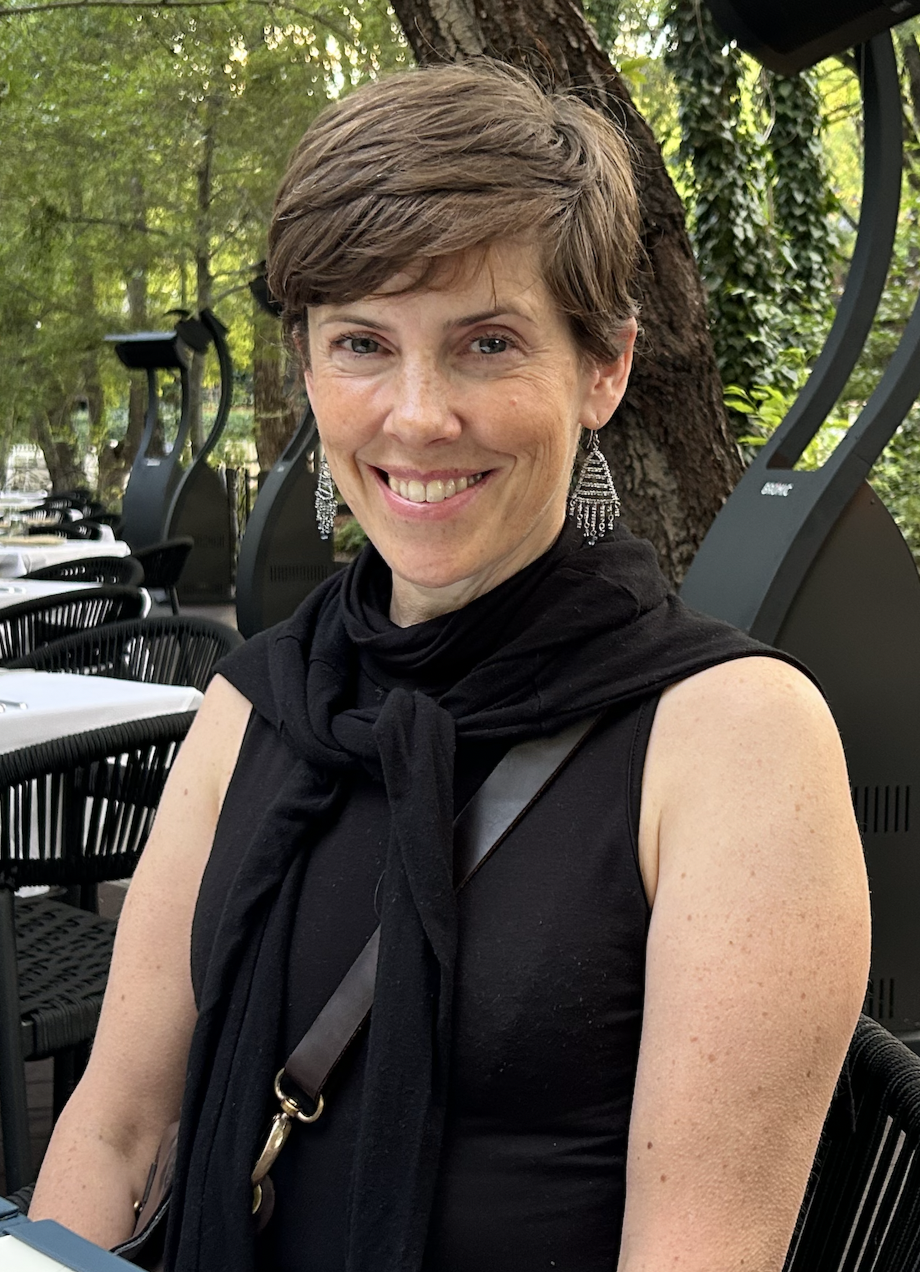
Rebecca Forkner, Ph.D.
LEAD CLINICAL ADVISOR
Rebecca has been engaged in the study and practice of psychology for over 20 years, with a focus on mindfulness-based approaches to healing. Drawing from extensive experience in CBT, DBT, ACT, and psychodynamic therapies, she is passionate about equipping both clients and clinicians with practical, evidence-based tools for meaningful transformation.
As Lead Clinical Advisor for Therapy TrAIner, Rebecca helps shape emotionally authentic, interactive learning experiences for clinical students and professionals. She works closely with product and content teams to ensure that simulated client interactions reflect the nuance, relational dynamics, and clinical complexity of real-world therapy. Her contributions focus on designing structured learning paths that help users build and strengthen core clinical skills, including empathy, cultural responsiveness, risk assessment, open-ended questioning, reflection, and effective information gathering—especially within the context of conducting an intake.
Rebecca is dedicated to creating a training environment that is both realistic and supportive, helping emerging clinicians grow in confidence, competence, and therapeutic presence.